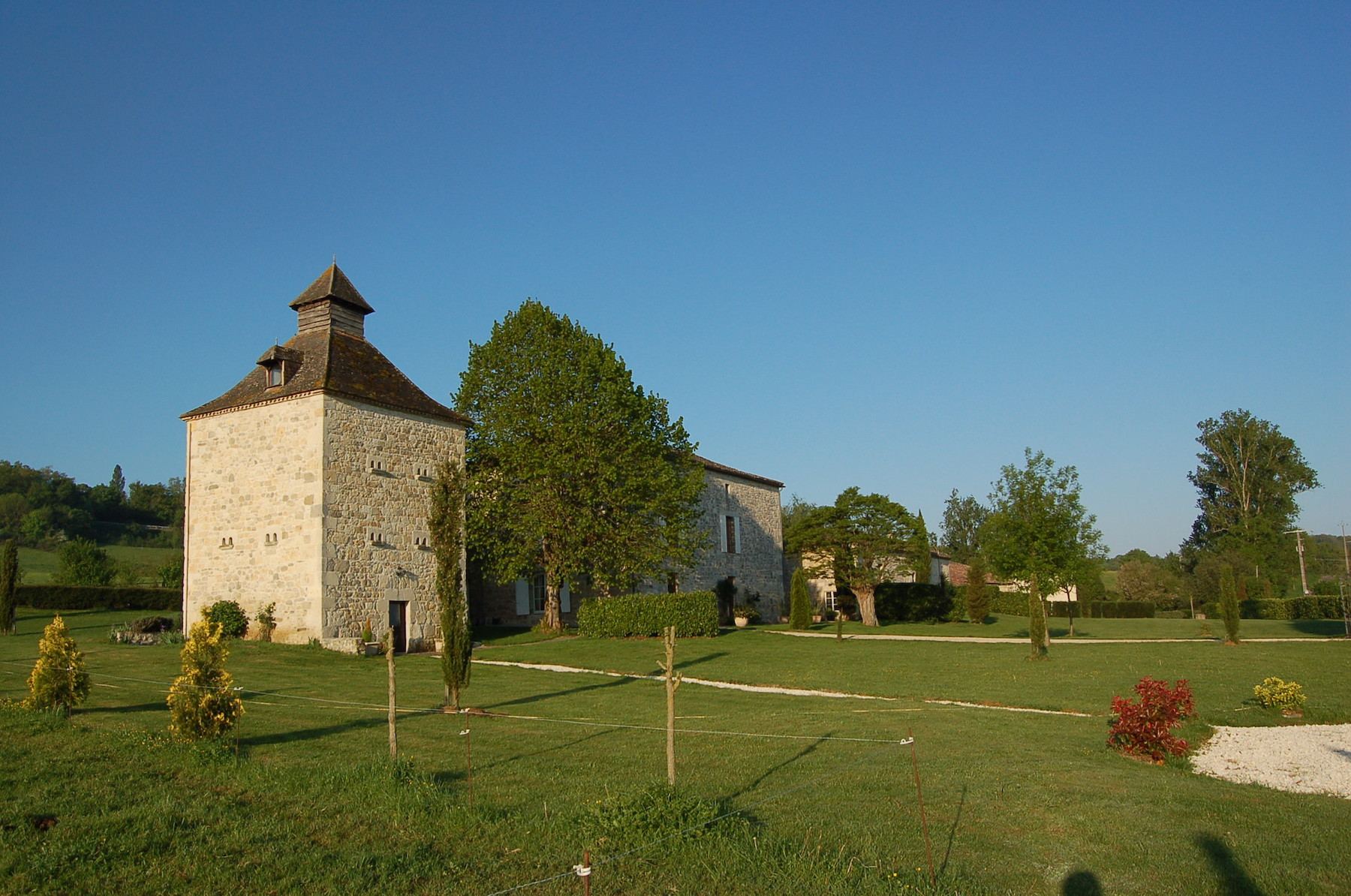
The history of the hamlet
From the Knights Templar to our long tables.
Long before the cottages, there were the Knights Templar. In the Middle Ages, Pagnagues was one of their farms: the land was worked and animals were raised, in step with the seasons. The centuries passed, and in the 17th century new buildings rose on this land so full of history.
Then time took its toll. The roofs caved in, plants overran the walls, and the hamlet fell into ruin. Some twenty years ago, our family decided to bring it back to life. Stone by stone, beam by beam, the buildings found their soul again.
Today these old stones are once again full of life, laughter and long tables.
Before and after
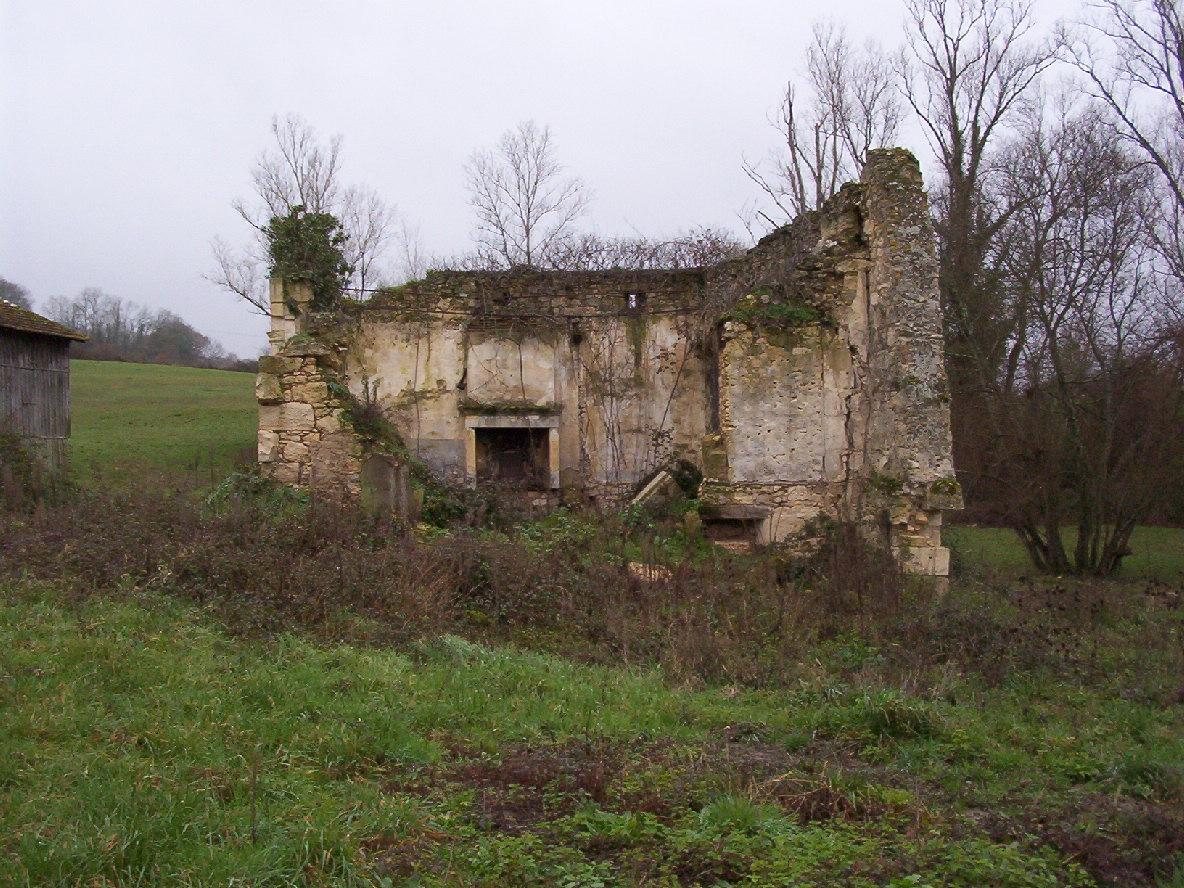
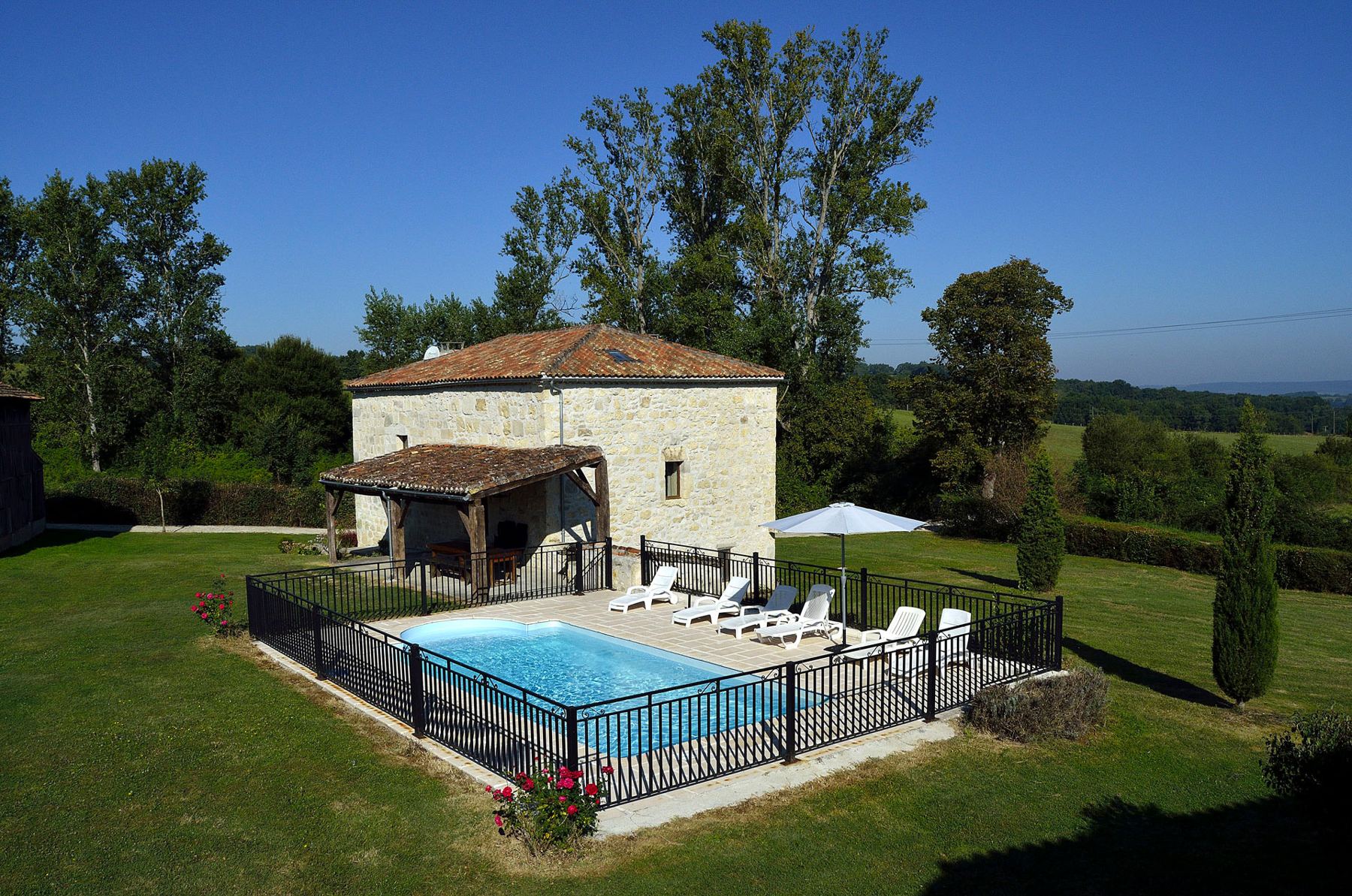
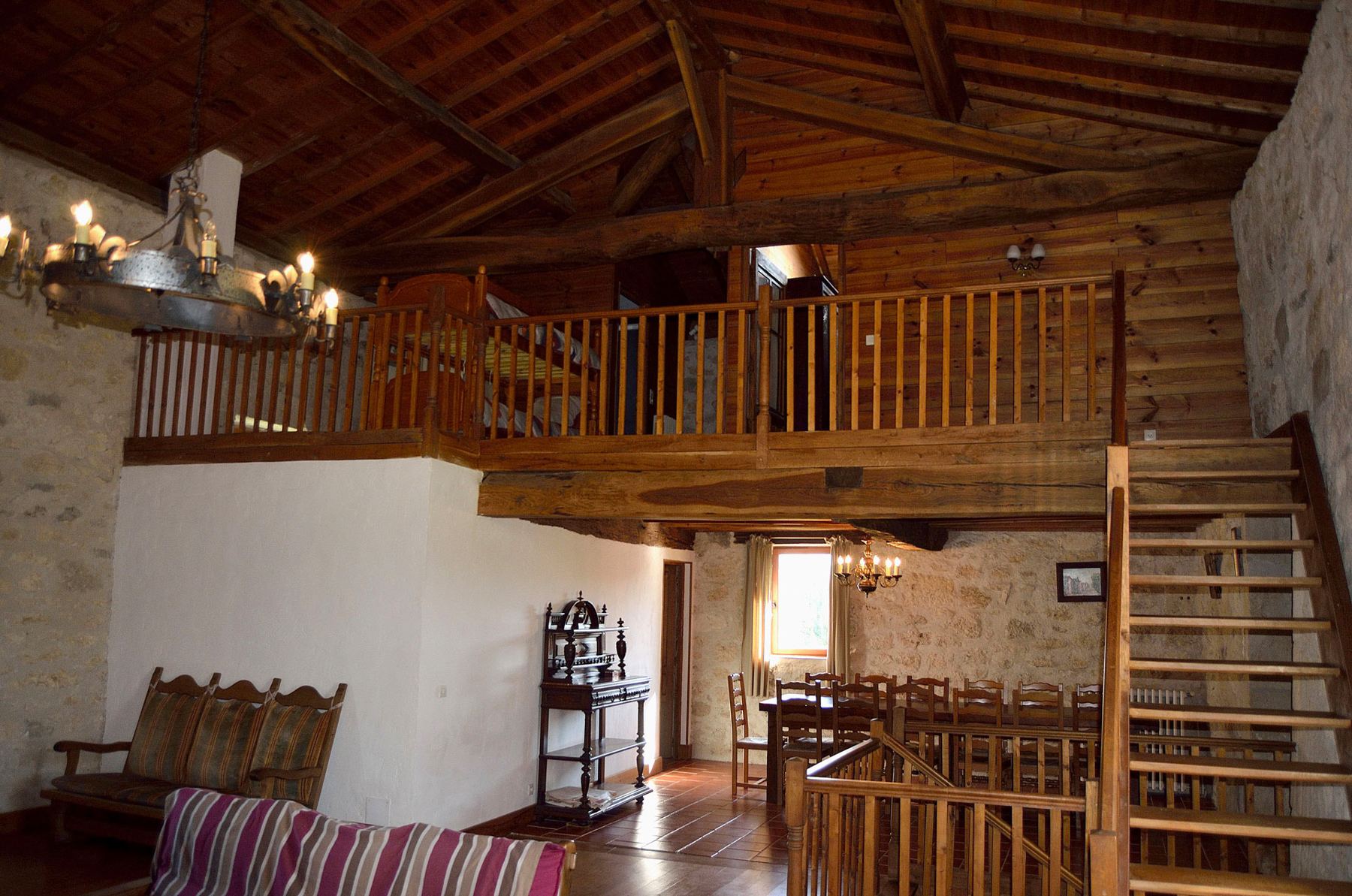
Five years of work, all by our own hands
In five years we restored six buildings: La Prunerie in ten months, Le Colombier in eight, Le Presbytère in sixteen and Le Puits-Figuier in eleven.
Earthworks, masonry, roofing, joinery, electrics, plumbing, plastering, painting: we did it all ourselves, without hiring a single building firm.
Elisabeth, Pierre, Frédéric and Julien Chambon
A bit of history
Montpezat-d'Agenais and Saint-Sardos, two small villages next to the estate, are said to have sparked the Hundred Years' War.
In 1323 the French king Charles IV made Saint-Sardos, then on English-held land, a royal bastide. The local lords, led by Raymond Bernard, lord of Montpezat, burned the village and hanged the king's representative. The affair escalated: Charles of Valois took Agen and burned Montpezat. One conflict led to the next, and this 'War of Saint-Sardos' ended in 1338 with Edward III of England claiming the French throne, and the Hundred Years' War.
In 2009 the estate was the setting for the TV film 'L'Amour vache', made for the French channel M6.